1.Vuex概述
1.1 组件之间共享数据
父向子传值: v-bind 属性绑定
子向父传值: v-bind 事件绑定
兄弟组件之间共享数据:EventBus
$on 接收数据的那个组件
$emit 发送数据的那个组件
1.2 Vuex
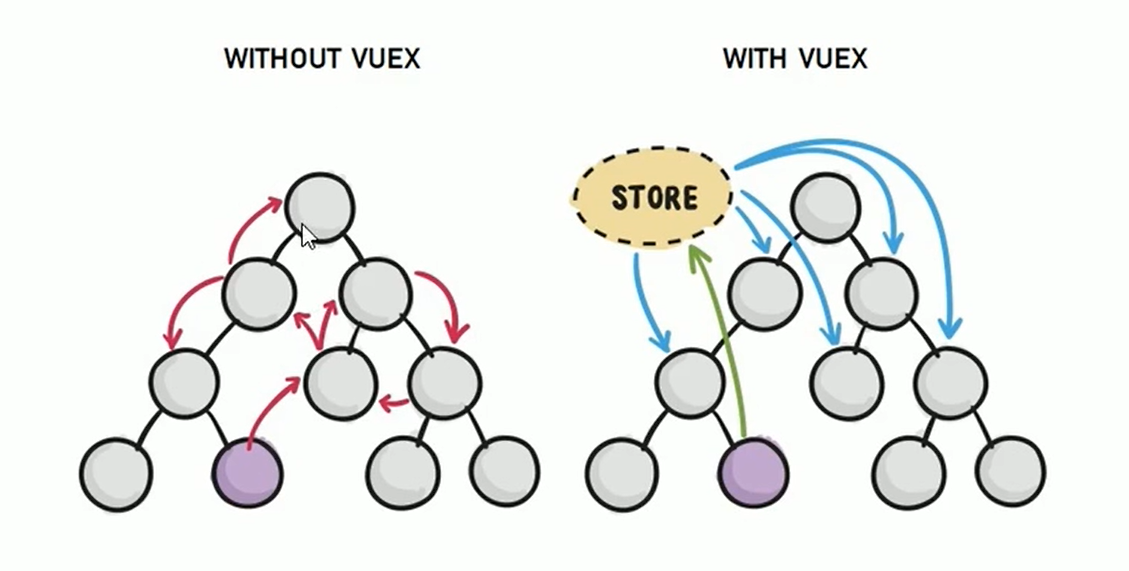
Vuex是实现组件全局状态(数据)管理的一种机制,可以方便的实现组件之间数据的共享。
1.3 使用Vuex统一管理状态的好处
能够在vuex中集中管理共享的数据,易于开发和后期维护
能够高效的实现组件之间的数据共享,提高开发效率
存储到vuex中的数据都是响应式的,能够实时的保持数据与页面同步
什么样的数据是合格存储到Vuex中:
一般情况下、只有组件之间共享的数据,才有必要存储到vuex中;对于组件中私有的数据,依旧存储到组件自身的data中。
2.Vuex的基本使用
1.安装vuex依赖包
npm install vuex -s2.导入vuex包
import Vuex from 'vuex'

Vue.use(Vuex)
3.创建store对象
const store = new Vuex.store({
 // state 中存放的就是全局共享的数据
 state:{count:0}
})
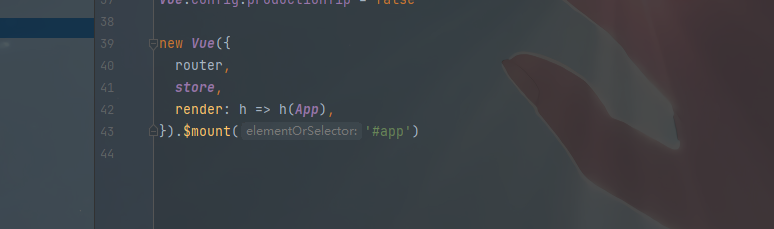
4.将store对象挂载到vue实例中
new Vue ({
  el:'#app',
  render: h => h(app),
  router,
 // 将创建的共享数据对象,挂载到Vue实例中
 // 将所有的组件,就可以直接从store中获取全局的数据了
 store
})
如图项目中:

main.js配置
3.Vuex的核心概念
3.1 核心概念概述
Vuex中的主要核心概念如下
State
Mutation
Action
Getter
3.2 State
State提供唯一的公共数据源,所有享的数据都要统一放到Store的State中进行存储。
// 创建store数据源,提供唯一的公共数据
const store = new Vuex.store({
 state:{count:0}
})
组件访问State中数据的第一种方式
this.$store.state.全局数据名称组件访问State中数据的第二种方式
// 1.从vuex中按需导入mapState函数
import {mapState} from 'vuex'
通过刚才导入的mapState函数,将当前组件需要的全局数据,映射为当前组件的computed计算属性
// 2.将全局数据,映射为当前组件的计算属性
computed:{    ...mapState(['count'])}
3.3 Mutation
Mutation用于变更Store中的数据。
只能通过mutation变更Store数据,不可以直接操作Store中的数据
通过这种方式虽然操作繁琐,但是可以集中监控所有数据的变化
// 定义Mutation
const store = new Vuex.Store({
 state:{        count:0
 },
mutations:{
     add(state)
     // 变更状态
     state.count++
    }
})
组件中调用
// 触发mutation
methods;{
 handle1(){
    // 触发mutations的第一种方式
     this.$store.commit('add')
      }
}
可以在触发mutations时传递参数;
// 定义Mutation
const store = new Vuex.store({
 state:{        count:0
 },
mutations;{
  addN(state,step){
      // 变更状态
     state.count += step
     }
 }
})
组件中调用
// 触发mutation
methods;{
    handle2(){
        // 在调用commit函数,
        // 触发mutations时携带参数
        this.$srore.commit('addN',3)
    }
}
this.$store.commit()是触发mutations的第一种方式,触发mutations的第二种方式:
// 1.从vuex中按需导入mapMutations函数
import {mapMutations} from 'vuex'
通过刚才导入的mapMutations函数,映射为当前组建的methods函数
methods:{
    ...mapMutations(['add','addN'])
}*不要在mutations函数中执行异步操作
3.4 Action
Actons 用于处理异步任务。
如果通过异步操作变更数据,必须通过Action,而不能使用Mutation,但是在Action中还是通过触发Mutation的方式变更数据。
// 定义Action
const store = new Vuex.Store({
    mutations:{
        add(state){
            state,count++
        }
    },
    actions:{
        addAsync(context){
            setTimeout(() => {
                context.commit('add')
            },1000)
        }
    }
})
组件中触发Actions
methods:{
    handle(){
        // 触发actions的第一种方式
        this.$store.dispatch('addAsync')
    }
}
在Actions中,不能直接修改state中的数据
必须通过context.commit()触发某个mutation才行
只有Mutations中定义的函数,才有全部权力修改state中的数据
3.4 Action
触发actions异步任务是携带参数
// 定义Action
const store = new Vuex.Store({
    mutations:{
        addN(state,step){
            state,count += step
        }
    },
    actions:{
        addAsync(context,step){
            setTimeout(() => {
                context.commit('addN',step)
            },1000)
        }
    }
})
在组件中调用
// 触发Action
methods:{
    handle(){
        this.$store.dispatch('addNAsync',5)
    }
}
this.$store.dispatch()触发actions的第一种方式,触发actions的第二种方式:
// 1.从vuex中按需导入 mapActions函数
import {mapActions} from 'vuex'
通过刚才导入的mapAction函数,将需要的actions函数,映射为当前组件的methods方法:
methods:{
    ...mapActions({'addAsync','addNAsync'})
}
3.5 Getter
Getter用于对Store中的数据进行加工处理形成新的数据(无改变原始数据)
Getter可以对Store中已有的数据加工处理之后形成新的数据,类似Vue的计算属性。
Store中数据发生变化,Getter的数据也会跟着变化
// 定义Getter
const store = new Vuex.Store({
    state:{
        count:0
    },
    getters:{
        showNum:state => {
            return '当前最新的数量是【'+ state.count'】'
        }
    }
})
使用getters的第一种方式:
this.$store.getter.名称使用getters的第二种方式
import {mapGetters} from 'vuex'

computed:{
    ...mapGetters(['showNum']})
}