给定一个链表,判断链表中是否有环。
为了表示给定链表中的环,我们使用整数 pos 来表示链表尾连接到链表中的位置(索引从 0 开始)。 如果 pos 是 -1,则在该链表中没有环。
示例 1:
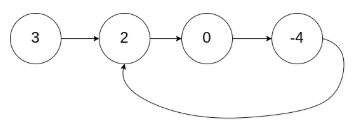
输入:head = [3,2,0,-4], pos = 1
输出:true
解释:链表中有一个环,其尾部连接到第二个节点。
示例 2:
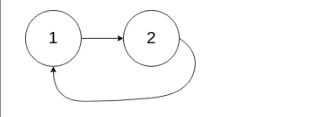
输入:head = [1,2], pos = 0
输出:true
解释:链表中有一个环,其尾部连接到第一个节点。
示例 3:
输入:head = [1], pos = -1
输出:false
解释:链表中没有环。

1、
# Definition for singly-linked list.
# class ListNode:
#     def __init__(self, x):
#         self.val = x
#         self.next = None

class Solution:
    def hasCycle(self, head: ListNode) -> bool:
        if not head:
            return False
        while head.next and head.val != None:
            head.val = None  # 遍历的过程中将值置空
            head = head.next
        if not head.next:  # 如果碰到空发现已经结束,则无环
            return False
        return True  # 否则有环
2、
# Definition for singly-linked list.
# class ListNode:
#     def __init__(self, x):
#         self.val = x
#         self.next = None

class Solution:
    def hasCycle(self, head: ListNode) -> bool:
        while head and head.next:
            # 如果被打断,说明节点的值是之前被重新定义的
            if head.val is None:
                return True

            head.val = None
            head = head.next

        return False
3、
# Definition for singly-linked list.
# class ListNode:
#     def __init__(self, x):
#         self.val = x
#         self.next = None

class Solution(object):
    def hasCycle(self, head):
        slow = fast = head
        while fast and fast.next:
            slow = slow.next
            fast = fast.next.next

            if slow is fast:
                return True
        return False
版权声明:本文为weixin_43075206原创文章,遵循CC 4.0 BY-SA版权协议,转载请附上原文出处链接和本声明。