上一篇博客Spring Boot自动配置原理已经讲解了SpringBoot的自动配置原理,其中,SpringBoot自动配置的过程中会帮我们加载一个叫做WebMvcAutoConfiguration的类。今天探讨下这个自动配置类究竟帮我们做了些什么事情。
前言
查阅本文的时候,必须保证你已经看过本人的Spring Boot自动配置原理这篇文章或者说已经具备SpringMVC的相关知识。
一、WebMvcAutoConfiguration类
上一篇博客已经讲解了SpringBoot的自动配置原理,其中,SpringBoot自动配置的过程中会帮我们加载一个叫做WebMvcAutoConfiguration的类,这个类就是SpringMVC的自动配置类。那么如果在SpringBoot下边开发一个MVC的WEB应用,那么必须了解这个类的原理,才能得心应手的处理静态资源的问题,即使我们的SpringBoot项目仅作为一个纯后台的应用。
1、WebMvcAutoConfiguration类的源码如下:
   @Configuration
    // 当我们的应用是一个基于servlet的Web应用程序时,这个自动配置才会生效。
    @ConditionalOnWebApplication(
        type = Type.SERVLET
    )
    @ConditionalOnClass({Servlet.class, DispatcherServlet.class, WebMvcConfigurer.class})
    /** 当IOC容器中没有这个WebMvcConfigurationSupport.class时,这个自动配置才会生效。
    * 所以我们如果想让SPringBoot自动帮我们处理资源问题的时候,我们不能自己去创建一个基于
    * WebMvcConfigurationSupport类的实现。同时也不能使用@EnableWebMvc去注解一个我们自己创建的
    * 组件,因为@EnableWebMvc中导入了一个实现了WebMvcConfigurationSupport类的
    * DelegatingWebMvcConfiguration.class类。
    **/
    @ConditionalOnMissingBean({WebMvcConfigurationSupport.class})
    @AutoConfigureOrder(-2147483638)
    // 该注解会保障WebMvcAutoConfiguration类加载完之后再去初始化它引入的几个类,也就是说主类加载完之后才能做一些事情,可以用这个注解。
    @AutoConfigureAfter({DispatcherServletAutoConfiguration.class, TaskExecutionAutoConfiguration.class, ValidationAutoConfiguration.class})
    public class WebMvcAutoConfiguration {
    			……省略其他代码……
    }
2、WebMvcConfigurer类
WebMvcAutoConfiguration中有一个实现了WebMvcConfigurer类的WebMvcAutoConfigurationAdapter类,已经帮我们实现了一些默认的功能,比如:默认的视图解析器配置,LocaleResolver配置等,如果实现了WebMvcConfigurer接口,就可以扩展SpringMVC的一些功能。
@Configuration
@Import(EnableWebMvcConfiguration.class)
@EnableConfigurationProperties({ WebMvcProperties.class, ResourceProperties.class })
@Order(0)
public static class WebMvcAutoConfigurationAdapter implements WebMvcConfigurer, ResourceLoaderAware {
    ……省略其他代码……
}
2.1、@Import(EnableWebMvcConfiguration.class)注解
EnableWebMvcConfiguration.class的父类DelegatingWebMvcConfiguration中有一个@Autowired注解的方法,那么他就会将所有的实现了WebMvcConfigurer接口的类从容器中拿出来添加到configurer变量中保存起来。
@Configuration
public static class EnableWebMvcConfiguration extends DelegatingWebMvcConfiguration {
    ……省略其他代码……
}

@Configuration
public class DelegatingWebMvcConfiguration extends WebMvcConfigurationSupport {
    private final WebMvcConfigurerComposite configurers = new WebMvcConfigurerComposite();
    @Autowired(
        required = false
    )
    public void setConfigurers(List<WebMvcConfigurer> configurers) {
        if (!CollectionUtils.isEmpty(configurers)) {
            this.configurers.addWebMvcConfigurers(configurers);
        }
    }
}
setConfigurers底层实际上就是将这些configurers保存在一个List的delegates变量里面,当我们在实现了WebMvcConfigurer接口的类中调用WebMvcConfigurer方法的时候,就是循环delegates变量,依次调用。
class WebMvcConfigurerComposite implements WebMvcConfigurer {
    private final List<WebMvcConfigurer> delegates = new ArrayList();
    // addWebMvcConfigurers()方法实现,将所有的configurers添加到delegates变量中。
    public void addWebMvcConfigurers(List<WebMvcConfigurer> configurers) {
        if (!CollectionUtils.isEmpty(configurers)) {
            this.delegates.addAll(configurers);
        }
    }
     ……省略其他代码……
}

class WebMvcConfigurerComposite implements WebMvcConfigurer {
    // 调用addInterceptors()方式时,就是循环delegates变量,依次将拦截器规则添加到实现类中。
    public void addInterceptors(InterceptorRegistry registry) {
            Iterator var2 = this.delegates.iterator();

            while(var2.hasNext()) {
                WebMvcConfigurer delegate = (WebMvcConfigurer)var2.next();
                delegate.addInterceptors(registry);
            }

        }
}
二、视图解析器
1、InternalResourceViewResolver默认的视图解析器
2、BeanNameViewResolver
3、ContentNegotiatingViewResolver
三、静态资源配置原理
1、LocaleResolver获取语言方式配置
    @Bean
    @ConditionalOnMissingBean
    /**
     * 如果在设置了yml文件spring.mvc.locale才会进来执行。
     * spring:
     *   mvc:
     *     locale-resolver: fixed(从请求参数获取,自定义传参)/accept_header(从请求头中获取:Accept-Language)
     *	   // 如果设置为fiexd,那么直接会根据这里配置的locale获取语种,如果这里没有配置,那么直接会被Accept-Language覆盖
     *     locale: zh_CN
     */
    @ConditionalOnProperty(prefix = "spring.mvc", name = "locale")
    public LocaleResolver localeResolver() {
        // 如果当前配置的是fiexd的,那么直接获取spring.mvc.locale的值
       if (this.mvcProperties.getLocaleResolver() == WebMvcProperties.LocaleResolver.FIXED) {
          return new FixedLocaleResolver(this.mvcProperties.getLocale());
       }
       // 如果设置的是accept_header,则获取设置的spring.mvc.locale的值。并且以后每一次请求都会调用AcceptHeaderLocaleResolver类中的
       // resolveLocale去获取请求头中的Accept-Language的值.
       AcceptHeaderLocaleResolver localeResolver = new AcceptHeaderLocaleResolver();
       localeResolver.setDefaultLocale(this.mvcProperties.getLocale());
       return localeResolver;
    }
2、SpringBoot国际化语言实战
1.1、LocaleResolver的四种实现
- CookieLocaleResolver:将语言存放在cookie中,这样每次请求都从cokkie获取。
- SessionLocaleResolver:将语言存放在session中,这样每次请求都从session获取。
- FixedLocaleResolver:直接会根据yml中配置的spring.mvc.locale获取语种,如果这里没有配置,那么直接会被Accept-Language覆盖,如果有,则一直就不会变,一直保持设置的值。
- AcceptHeaderLocaleResolver:每一次请求都会调用AcceptHeaderLocaleResolver类中的resolveLocale去获取请求头中的Accept-Language的值。
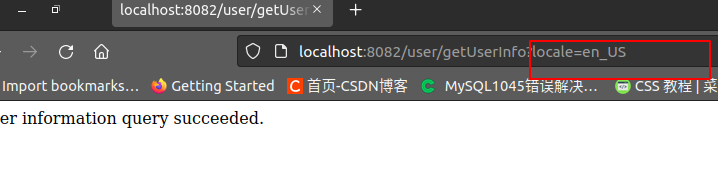
以CookieLocaleResolver为例,自定义获取语种的方式为从请求连接的传递的参数上获取(http://localhost:8081/practise/user/getUserInfor?locale=en_US):自定义一个WebMvcConfigurer类,创建一个LocaleResolverbeen,规定使用哪种LocaleResolver,配合LocaleChangeInterceptor获取语种。
1.2、自定义ConsumerWebMvcConfigurer类的实现
 @Configuration
  // 自定义一个WebMvcConfigurer类
  public class ConsumerWebMvcConfigurer implements WebMvcConfigurer {
      @Bean
      // 创建一个LocaleResolverbeen,也就是说,规定使用哪种LocaleResolver
      public LocaleResolver localeResolver() {
          return new CookieLocaleResolver();
      }

      // 一般CookieLocaleResolver配合LocaleChangeInterceptor使用,通过拦截器获取请求中的语言,默认是参数是locale名,可以自定义参数名。
      public void addInterceptors(InterceptorRegistry registry) {
          LocaleChangeInterceptor localeChangeInterceptor = new LocaleChangeInterceptor();
          // 自定义参数名
          // localeChangeInterceptor.setParamName("lang");
          registry.addInterceptor(localeChangeInterceptor);
      }
  }
1.3、自定义国际化语言I18nUtils工具类
@Component
public class I18nUtils {

   public static MessageSource messageSource;

   @Autowired
   public void localeResolver(MessageSource messageSource) {
       I18nUtils.messageSource = messageSource;
    }

   public static String getMessage (String key) {
        return messageSource.getMessage(key, null, LocaleContextHolder.getLocale());
    }
}
1.4、添加.properties文件
三个文件配置好之后。必须放在resource文件夹喜下,可以放在resource文件夹根目录下,如果放在根目录下,无需额外的配置就可以直接生效,如果是其他文件夹,那么需要在yml文件中指定配置文件的路劲才能生效。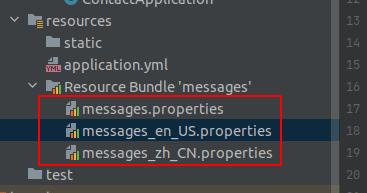

1.5、添加测试接口
@RestController
@RequestMapping("/user")
public class UserController {

    @RequestMapping("/getUserInfo")
    public String getUserInfo() {
        return I18nUtils.getMessage("user.query.success");
    }
}
1.6、效果

2、图片、文本等静态资源的访问
SpringBoot默认会在classpath:[/META-INF/resources/,/resources/, /static/, /public/]下查找静态资源,在yml中可以使用spring.resources指定静态资源路径。如果我们将静态资源路径存放在以上四个路径下,那么我们无需做任何配置就可以直接访问我们的静态资源文件(http://localhost:8081/practise/test.jpg)。
@ConfigurationProperties(prefix = "spring.resources", ignoreUnknownFields = false)
    public class ResourceProperties {
       private static final String[] CLASSPATH_RESOURCE_LOCATIONS = { "classpath:/META-INF/resources/",
             "classpath:/resources/", "classpath:/static/", "classpath:/public/" };
        /**
         * Locations of static resources. Defaults to classpath:[/META-INF/resources/,
        * /resources/, /static/, /public/].
        */
       private String[] staticLocations = CLASSPATH_RESOURCE_LOCATIONS;
       ****省略其他代码*****
     }
3、SpringBoot的全局配置文件加载
SpringBoot提供了三种格式的全局配置文件,application.yml、application.yaml、application.propreties。如果项目没有三者中的一个,那么SpringBoot就会使用默认的配置,比如:sevlet容器就会使用Tomcat容器,端口自然会使用Tomcat的默认端口8080,spring-boot-start-parent-2.5.0.pom中定义了全局配置文件的读取规则,这三中文件可以同时存,但是会优先读取application.yml文件,然后三者里面的配置进行互补。
总结
本文根据WebMvcAutoConfiguration类,探讨了SpringBoot中相关静态文件的加载原理。