O(n) 小于等于
o(n) 小于
Ω(n) 大于等于
ω(n) 大于
Θ(n) 等于
直接判断时间复杂度
- Q1:

其中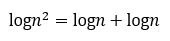 ,所以f is in Θ(n)
- Q2:

其中 ,所以f is in O(n)
根据代码判断时间复杂度
声明:Pythonlen()的时间复杂度为O(1)
def first_or_last(numbers):
    n = len(numbers)
return numbers[0] + numbers[n - 1]- Q1:O(1)
def filter(numbers):
    result = []
    for x in numbers:
        if x >= 0:
            result.append(x)
return result- Q2:O(n)
def nested(nums):
    n = len(nums)
    c = 0
    for i in range(n):
        for j in range(i * i):
            c += 1
return c- Q3:O(n^3)
def dumbo_func(data):
    if len(data) == 0:
        return 0
    else:
        if (data[0] // 100) % 3 != 0:
            return 1 + dumbo_func(data[1:])
        else:
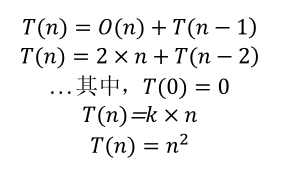
return dumbo_func(data[1:])- Q4:O(n^2):原因是递归的深度是k=n,且slicing(切片)的时间复杂度是O(n)
def fiddling(numbers):
    m = len(numbers)
    while m > 5:
        m = m // 2
return m- Q5:O(logn)
def mysum(A):
    if len(A) == 0:
        return 0
    else:
return A[0] + mysum(A[1:]) 
- The number of nodes at depth
dis 1(每一层只有一个点) - The cost expression for each node at depth
dis c(n-d)(每一层都是A[x:]) - The sum of costs for all the nodes at depth
dis c(n-d)(A[x:]) - The depth of the recurrence tree is O(n)(从A[1:]就可以知道深度为n)
- The running time complexity of the algorithm is O(n^2)(递归的深度是k=n,且slicing(切片)的时间复杂度是O(n))
根据递推式计算时间复杂度
- Q1:上述代码的递推式
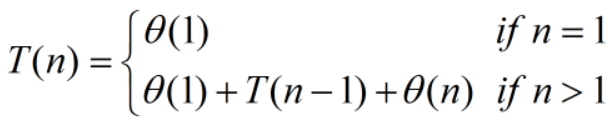
- Q2:
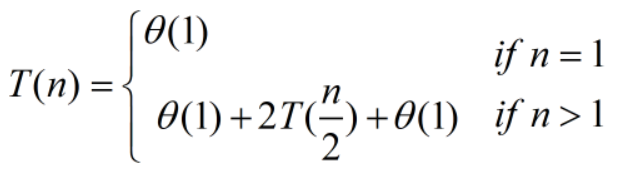
- The number of nodes at depth
dis 2^d - The cost expression for each node at depth
dis c - The sum of costs for all the nodes at depth
dis c(2^d) - The depth of the recurrence tree is in O(logn)
- The running time complexity of the algorithm is O(n)