在项目数据比较多,然后做各种维度,比如天,月等维度的数据查询的时候,会因为数据太多,查询太过复杂,而影响查询数据的速度,如果一个接口每次都需要一两分钟才能加载出来,这样用户体验也太差了吧,所以这个时候就要想办法去解决,而redis缓存刚好可以解决这个问题,一般历史数据不会变的我们去做个缓存,然后新的数据我们去实时更新,这样查询速度就快了很多,言归正传,现在开始介绍我在springboot中用到的redis缓存的实践:
首先是配置文件:
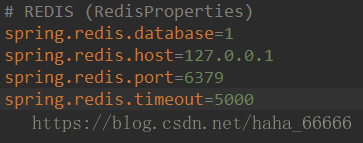
首先是pom.xml文件
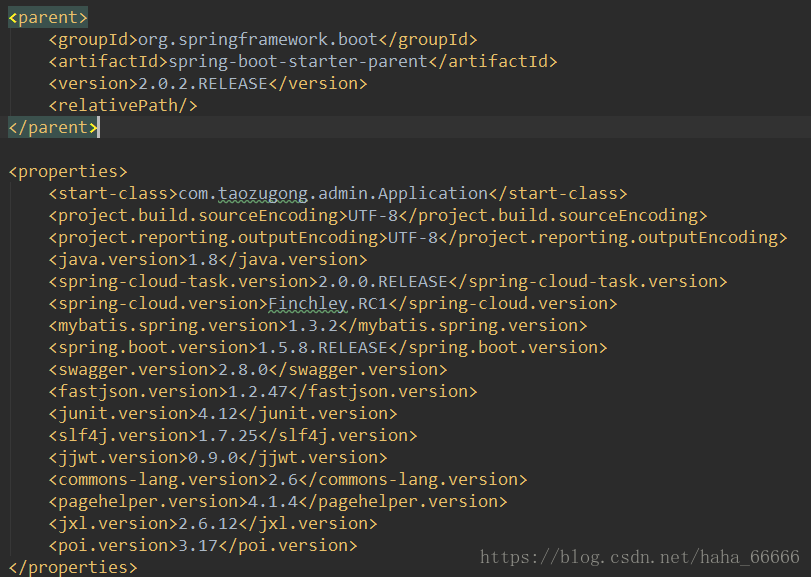
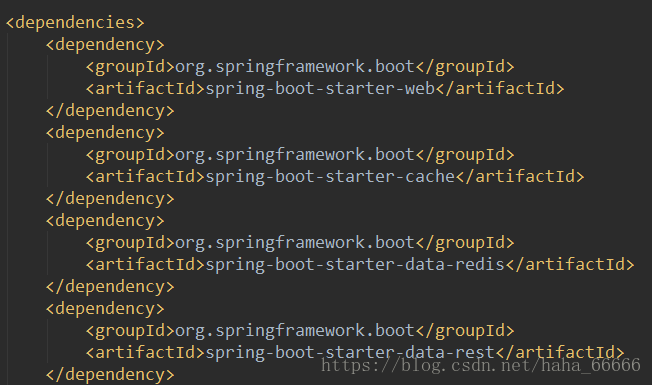
只是大部分所要用到的maven依赖。
redis配置
import com.fasterxml.jackson.annotation.JsonAutoDetect;
import com.fasterxml.jackson.annotation.PropertyAccessor;
import com.fasterxml.jackson.databind.ObjectMapper;
import org.springframework.cache.CacheManager;
import org.springframework.cache.annotation.CachingConfigurerSupport;
import org.springframework.cache.annotation.EnableCaching;
import org.springframework.context.annotation.Bean;
import org.springframework.context.annotation.Configuration;
import org.springframework.data.redis.cache.RedisCacheConfiguration;
import org.springframework.data.redis.cache.RedisCacheManager;
import org.springframework.data.redis.connection.RedisConnectionFactory;
import org.springframework.data.redis.core.RedisTemplate;
import org.springframework.data.redis.serializer.Jackson2JsonRedisSerializer;
import org.springframework.data.redis.serializer.StringRedisSerializer;

import java.time.Duration;
import java.util.HashMap;
import java.util.HashSet;
import java.util.Map;
import java.util.Set;

/**
 * redis配置
 *
 */
@Configuration
@EnableCaching
public class RedisCacheConfig extends CachingConfigurerSupport {


    @Bean
    public RedisTemplate<Object, Object> redisTemplate(RedisConnectionFactory redisConnectionFactory) {
        RedisTemplate<Object, Object> template = new RedisTemplate<>();
        template.setConnectionFactory(redisConnectionFactory);

        //使用Jackson2JsonRedisSerializer来序列化和反序列化redis的value值
        Jackson2JsonRedisSerializer serializer = new Jackson2JsonRedisSerializer(Object.class);

        ObjectMapper mapper = new ObjectMapper();
        mapper.setVisibility(PropertyAccessor.ALL, JsonAutoDetect.Visibility.ANY);
        mapper.enableDefaultTyping(ObjectMapper.DefaultTyping.NON_FINAL);
        serializer.setObjectMapper(mapper);

        template.setValueSerializer(serializer);
        //使用StringRedisSerializer来序列化和反序列化redis的key值
        template.setKeySerializer(new StringRedisSerializer());
        template.afterPropertiesSet();
        return template;
    }
    @Bean
    public CacheManager cacheManager(RedisConnectionFactory redisConnectionFactory) {

        RedisCacheConfiguration config = RedisCacheConfiguration.defaultCacheConfig();
        config = config.entryTtl(Duration.ofMinutes(60*60*24*4));

        // 设置一个初始化的缓存空间set集合
        Set<String> cacheNames =  new HashSet<>();
        cacheNames.add("order_pay");

        // 对每个缓存空间应用不同的配置
        Map<String, RedisCacheConfiguration> configMap = new HashMap<>();
        configMap.put("order_pay",  config.entryTtl(Duration.ofSeconds(60*60*24*4)));
        RedisCacheManager cacheManager = RedisCacheManager.builder(redisConnectionFactory)
                .initialCacheNames(cacheNames)
                .withInitialCacheConfigurations(configMap)
                .build();
        return cacheManager;
    }

}
当其中有多个缓存是,可以自定义的设置缓存的时间
在mapper接口中:

@Cacheable可以标记在一个方法上,也可以标记在一个类上。当标记在一个方法上时表示该方法是支持缓存的,当标记在一个类上时则表示该类所有的方法都是支持缓存的。对于一个支持缓存的方法,Spring会在其被调用后将其返回值缓存起来,以保证下次利用同样的参数来执行该方法时可以直接从缓存中获取结果,而不需要再次执行该方法。Spring在缓存方法的返回值时是以键值对进行缓存的,值就是方法的返回结果,至于键的话,Spring又支持两种策略,默认策略和自定义策略。需要注意的是当一个支持缓存的方法在对象内部被调用时是不会触发缓存功能的。@Cacheable可以指定三个属性,value、key和condition。
| 参数 | 解释 | example |
|---|---|---|
| value | 缓存的名称,在 spring 配置文件中定义,必须指定至少一个 | 例如: @Cacheable(value=”mycache”) @Cacheable(value={”cache1”,”cache2”} |
| key | 缓存的 key,可以为空,如果指定要按照 SpEL 表达式编写,如果不指定,则缺省按照方法的所有参数进行组合 | @Cacheable(value=”testcache”,key=”#userName”) |
| condition | 缓存的条件,可以为空,使用 SpEL 编写,返回 true 或者 false,只有为 true 才进行缓存 | @Cacheable(value=”testcache”,condition=”#userName.length()>2”) |
版权声明:本文为haha_66666原创文章,遵循CC 4.0 BY-SA版权协议,转载请附上原文出处链接和本声明。